Festivals

whatsapp image 2026 01 28 at 9.37.34 pm
Festivals

Navratri

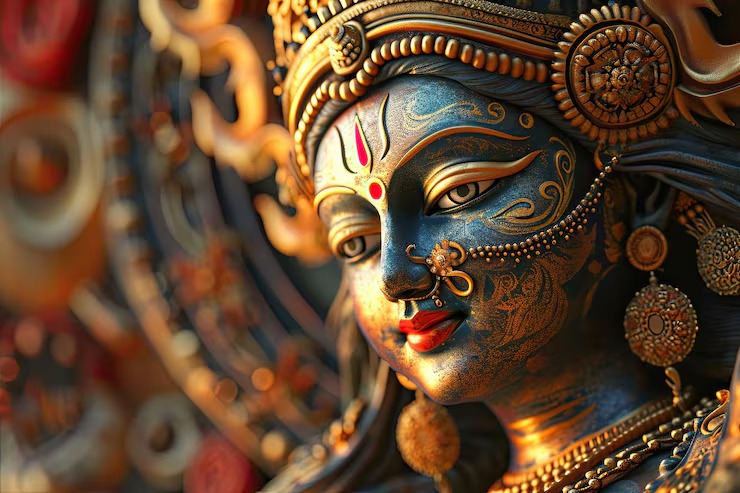
Navratri and Dussehra are two of the most vibrant and widely celebrated festivals in Ratlam, Madhya Pradesh, embodying devotion, culture, and the triumph of good over evil. These festivals are dedicated to Goddess Durga and her nine forms, celebrating feminine power (Shakti) and courage. Navratri spans nine nights, usually in the month of Ashwin (September–October), followed by Dussehra on the tenth day, which marks the victory of righteousness. In Ratlam, these festivals are celebrated with grandeur, enthusiasm, and community participation, making them a central part of the city’s cultural calendar. Spiritual and Cultural Significance Navratri signifies the nine-day worship of Goddess Durga, symbolizing the victory of virtue over vice and spiritual awakening. Each day is dedicated to a different manifestation of the Goddess, with devotees performing fasts, prayers, and rituals to seek her blessings for prosperity, protection, and wisdom. Dussehra, celebrated on the tenth day, commemorates Lord Rama’s victory over the demon king Ravana, representing the triumph of good over evil. In Ratlam, Dussehra is also associated with the immolation of Ravana effigies, accompanied by fireworks, music, and cultural performances, creating a festive and spiritually uplifting atmosphere.
urs festival in ajmer
Festivals

Urs Festival

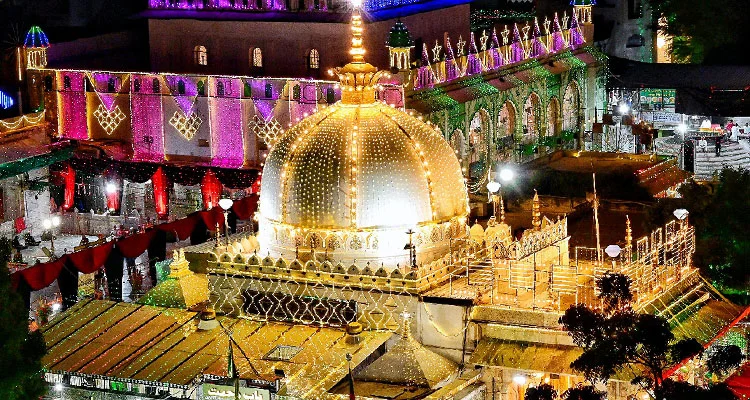
The Urs Festival is a significant and spiritually vibrant event celebrated in Ratlam, Madhya Pradesh, in honor of revered Sufi saints. The term “Urs” literally means “wedding” in Arabic, symbolizing the saint’s union with the divine. In Ratlam, the festival is observed at the shrines of Sufi saints and dargahs, drawing devotees from across the city and surrounding regions, regardless of religion, faith, or background. The Urs Festival is not only a religious event but also a celebration of peace, harmony, and devotion, reflecting the inclusive nature of Sufism. It is usually held on the death anniversary of the saint, commemorating their life, teachings, and spiritual contributions. Spiritual and Cultural Significance Urs represents the eternal journey of the soul towards God. Devotees believe that visiting the saint’s shrine, offering prayers, and participating in the rituals during Urs can bring blessings, spiritual peace, and fulfillment. The festival emphasizes love, humility, and devotion, core teachings of Sufi saints. In Ratlam, the Urs Festival serves as a symbol of communal harmony, as people from all communities join together in prayer, music, and festivities, embodying the Sufi philosophy of universal brotherhood.

whatsapp image 2026 01 28 at 8.51.05 pm
Festivals

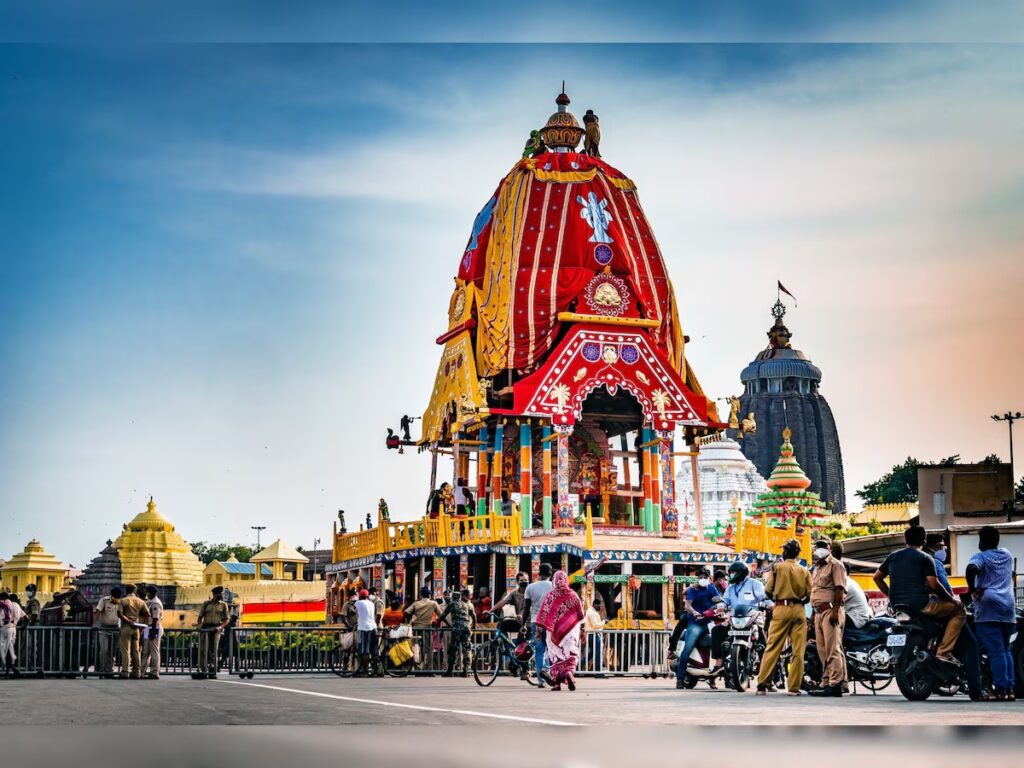
Rath Yatra

Rath Yatra, also known as the Chariot Festival, is one of the most vibrant and widely celebrated festivals in Ratlam, Madhya Pradesh. It is held in honor of Lord Jagannath, a form of Lord Krishna, along with his siblings Lord Balabhadra and Goddess Subhadra. This grand festival attracts thousands of devotees from Ratlam and surrounding regions who come to witness the magnificent procession and participate in the celebrations. The festival usually takes place in the Hindu month of Ashadha (June–July), with dates varying according to the lunar calendar. Rath Yatra symbolizes the journey of divinity among the people, fostering devotion, unity, and community spirit. Spiritual and Cultural Significance Rath Yatra holds deep religious importance. The festival commemorates the annual journey of Lord Jagannath from his temple to his aunt’s home (Gundicha Temple in Puri traditions). In Ratlam, the chariot procession allows devotees to feel closer to the deity, offering prayers, singing bhajans, and participating in rituals. The festival is also a symbol of inclusivity and devotion, as it allows people from all walks of life to pull the massive, beautifully decorated chariots and seek blessings. It represents the divine connection between God and devotees, showing that the lord is among his people, not confined to a temple.

watercolor hindu deity representation (1)
Festivals

Ganesh Chaturthi

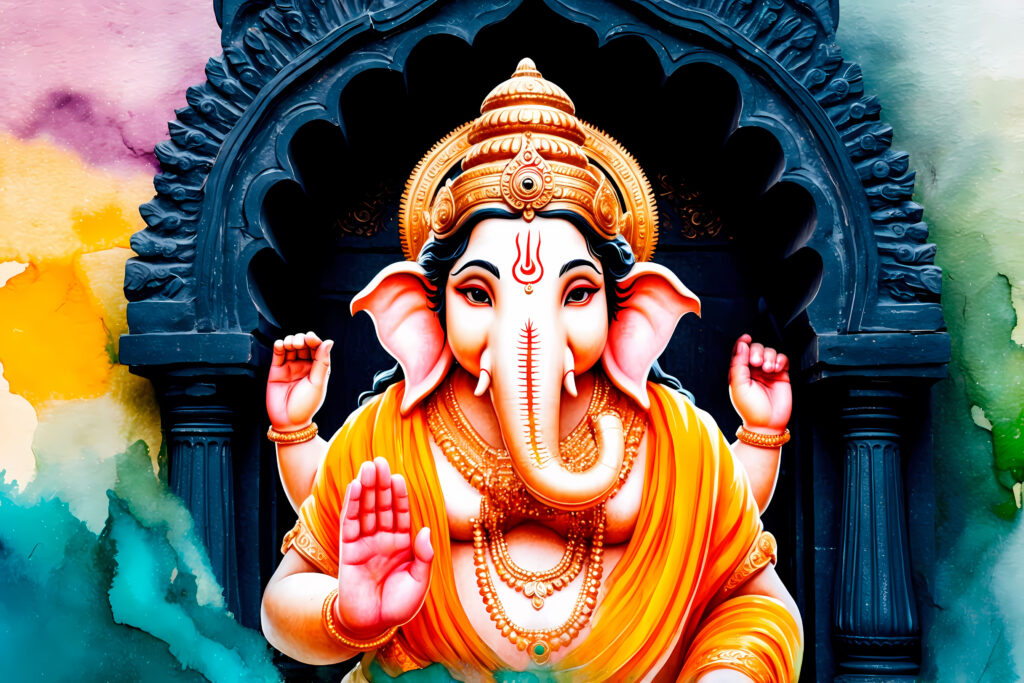
Ganesh Chaturthi is a grand and joyous Hindu festival celebrated to honor the birth of Lord Ganesha, the remover of obstacles and the god of wisdom, prosperity, and good fortune. The festival is observed on the fourth day (Chaturthi) of the bright fortnight (Shukla Paksha) in the Hindu month of Bhadrapada (August–September). It is especially celebrated with great enthusiasm across India, particularly in Maharashtra, Madhya Pradesh, Gujarat, Karnataka, and Andhra Pradesh. Lord Ganesha, the son of Lord Shiva and Goddess Parvati, is worshipped before beginning any new work or auspicious event. His elephant head symbolizes wisdom and understanding, while his large ears signify the importance of listening carefully and absorbing knowledge. Conclusion Ganesh Chaturthi is not just a festival but a celebration of hope, wisdom, and new beginnings. By worshipping Lord Ganesha with pure devotion, devotees seek blessings for success, happiness, and prosperity in their lives.

watercolor hindu deity representation
Festivals

Mahashivratri

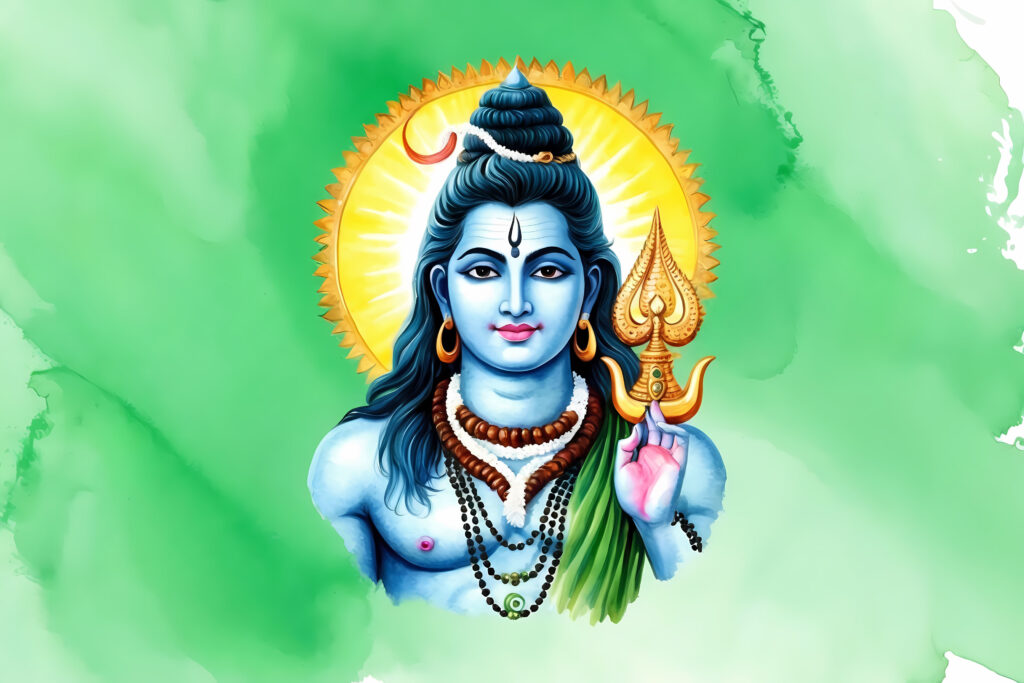
Mahashivratri, meaning “The Great Night of Shiva,” is one of the most sacred and spiritually powerful festivals in Hinduism. It is observed every year on the 14th night of the dark fortnight (Krishna Paksha) in the month of Phalguna (February–March). This holy night is dedicated to Lord Shiva, the supreme deity who represents destruction of evil, transformation, and inner awakening. Mahashivratri holds deep spiritual significance as it symbolizes the union of Shiva and Shakti, the coming together of consciousness and energy. Devotees believe that on this divine night, Lord Shiva performs the Tandava, the cosmic dance that maintains the rhythm of creation, preservation, and dissolution of the universe. Spiritual Significance Mahashivratri is not just a festival but a night of intense spiritual growth and self-realization. It is believed that cosmic energies are at their peak during this night, making it highly auspicious for meditation, chanting, and inner purification. Staying awake (Jagran) throughout the night helps devotees remain conscious and aware, symbolizing victory over ignorance and darkness. For yogis and spiritual seekers, Mahashivratri is a powerful time to align the body, mind, and soul. Lord Shiva is considered the Adi Yogi (first yogi), and this night is especially significant for practicing yoga, meditation, and spiritual discipline.